グローバル教育〔 地球的規模で考える 〕
PDA即興型英語ディベート
2026年度第12回即興型英語ディベート
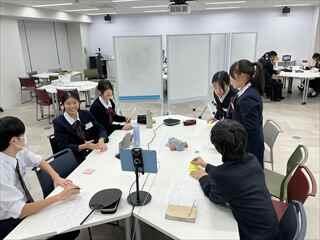
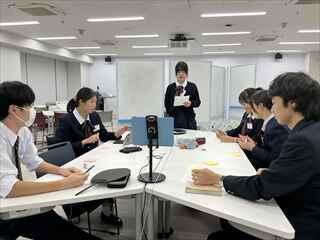
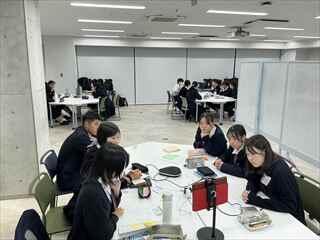
On Monday November 16th, we held the final debates of 2026. Again, the two-debate pattern continued.
This time, the first round motion was Power harassment should be severely punished. (パワハラは厳しく罰されるべきである。) and the second round one was Japan should abolish tax exemptions for foreign tourists to address overtourism. (日本は、オーバーツーリズム対策として、訪日外国人への免税を廃止すべきである。)
As both of the debates were model debates - in other words, they both needed the government to make some sort of plan about how they should make a change - students were reminded that what they are the government side in such debates, they should make an After Plan (AP). This should include the mechanisms for implementing the change. For example, in the first debate, the goverment should consider things like: how power harassment will be reported; who will judge if the case was power harassment; who will give the punishment; what the punishment might be; when the new system will start; and so on. By considering these things, a deeper and more concrete debate can take place. Also, if the plan in well made, it gives the government team the advantage of having possibly dealt with some of the rebuttals the opposition might have used. On the other hand, the opposition can try to find problems with the plan made by the government or perhaps even that the government didn't make any plan.
A good AP also includes talking about the impacts. The government should focus on positive impacts. In other words, how the world will be better if this change is implemented. Again, in the case of the first motion, they might talk about this will reduce power harassment, which will reduce the number of people suffering from mental health problems, which will lead to a happier and more productive world. On the other hand, the opposition can explain negative impacts, for example, this change might lead to a world where bosses cannot manage their subordinates because they are worried about being reported. As a result, productivity may decrease.
Generally, the mechanisms are explained by the government first speaker because the set up and other points that their team will make. Impacts can be talked about by all speakers: the first two can explain impacts of the point they each explain, and summary speakers can use them when summarizing the debate.
The debates went well and seemed very active and even aggressive at times! Although it is a little early, we hope all our debaters have a great winter vacation and come back energized for their final debates in January. Of course, debating isn't completely finished in 2026 as we will have extra practices for the National Tournament team.